13 December 2025
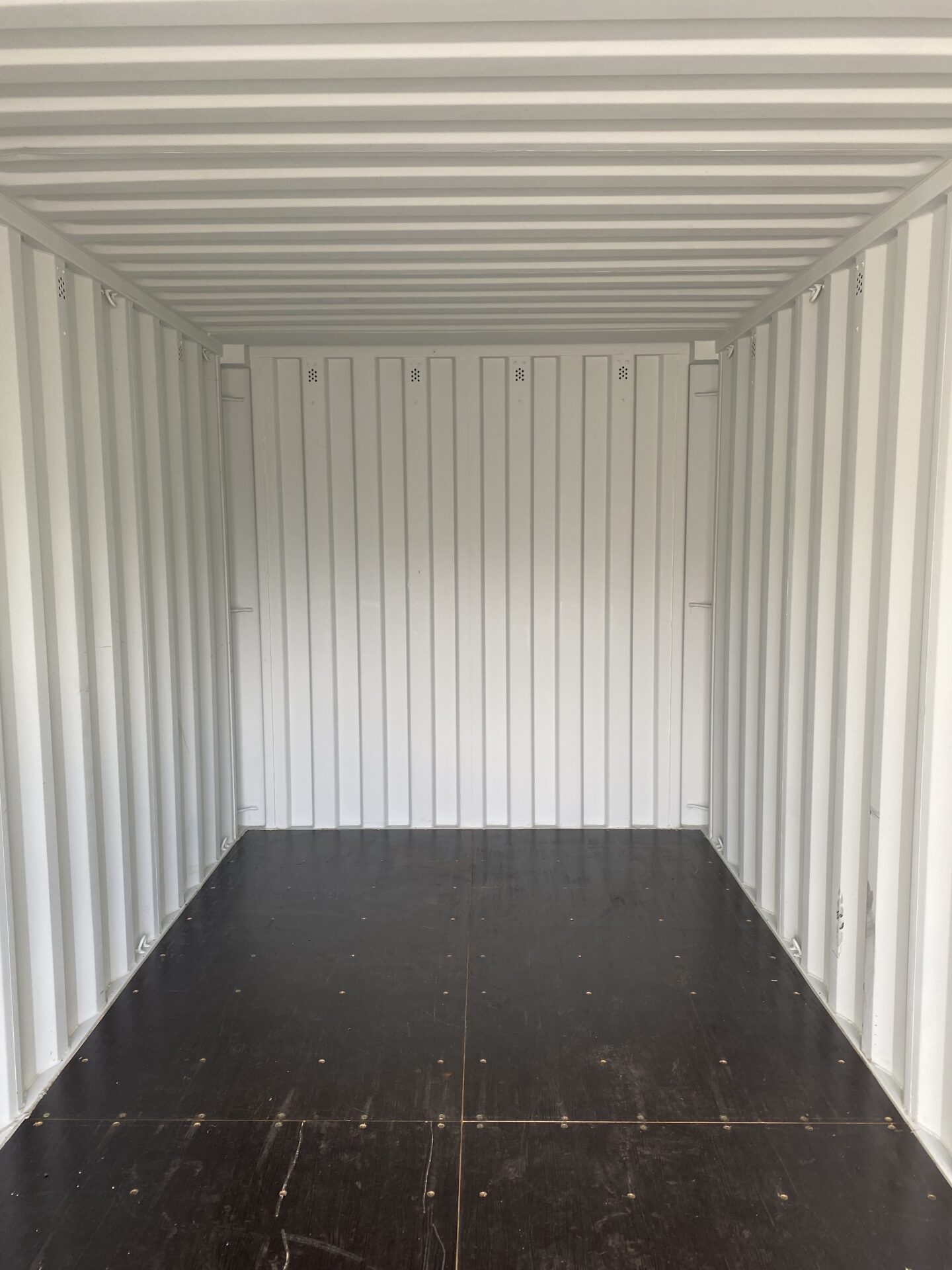
Choosing the right type of storage unit means matching cost, protection, and convenience to your specific needs. Two common choices are standard storage units and premium insulated storage units. Below is a structured, side-by-side comparison to help you decide which option suits your situation.
| Feature | Standard Storage Unit | Premium Insulated Storage Unit |
|---|---|---|
| Basic Description | Uninsulated, basic construction storage space | Storage with insulated walls/roof to moderate temperature |
| Typical Use | General storage of items not sensitive to temperature | Climate-sensitive goods (electronics, wood, documents, furniture) |
| Aspect | Standard | Premium Insulated |
|---|---|---|
| Temperature Fluctuation | High — subject to outdoor conditions | Lower – reduces impact of extreme conditions |
| Humidity Control | Not built in | Better moisture moderation |
| Weather Exposure | Prone to heat/cold transfer | More stable internal environment |
When it matters: If extreme heat or cold can damage your items., insulated units offer significant protection. However our containers are brand new so are always air tight, dry and clean anyway.
| Cost Factor | Standard | Insulated Premium |
|---|---|---|
| Monthly Rental | Lower | Higher |
| Energy/Climate Add-Ons | Usually N/A | Combined with ventilation |
| Value per £ | Good for basic needs | Higher protection justifies higher price |
Rule of thumb: You pay more for insulation because it reduces environmental stress on stored items. Especially for the winter season.
| Use Case | Standard Unit | Premium Insulated Unit |
|---|---|---|
| Storing Furniture (short term) | ✔ | ✔✔ |
| Electronics | ⚠ | ✔ |
| Documents, paper records | ⚠ | ✔ |
| Wood or leather goods | ⚠ | ✔ |
| Business stock without sensitivity | ✔ | ⚠ |
| Seasonal items | ✔ | Depends on material |
Key:
✔ = Suitable
✔✔ = Ideal
⚠ = Possible risk without extra protection
| Feature | Standard | Premium Insulated |
|---|---|---|
| Basic Security (locks, gates, CCTV) | Same | Same |
| Enhanced Protection | Brand new airtight containers | + insulation |
Security typically depends on the facility, not the unit type. Insulated units don’t inherently include better locks or monitoring — but their construction can offer better protection from the elements.
| Consideration | Standard | Insulated |
|---|---|---|
| Protection from Condensation | Low | Moderate |
| Protection from Heat Damage | Low | Better |
| Protection from Frost/Cold | Low | Better |
Insulated units reduce the risk of moisture-related problems like mould, mildew, and warping for sensitive contents.
Scenario A — Long-term Storage of Furniture
Standard: Acceptable if dry and occasional access
Insulated: Recommended for high-value or temperature-sensitive wood/leather
Scenario B — Business Inventory (non-sensitive)
Standard: Cost-effective and appropriate
Insulated: Optional if items are temperature-sensitive
Scenario C — Electronics or Paper Archives
Standard: Risk of heat/humidity damage
Insulated: Strongly recommended
Pros
Lower cost
Simple and effective for many uses
Wide availability
Cons
Prone to temperature swings
No built-in humidity/condensation
Pros
Better protection against temperature extremes
Reduced risk of moisture issues
Good for sensitive items
Cons
Higher rental cost
Not always necessary for basic storage
Ask yourself:
What am I storing?
Sensitive items → Insulated | Basic items → Standard
How long will it be stored?
Long durations increase value of insulation.
Is budget a top priority?
Standard units offer the best price point.
Is peace of mind important?
Premium insulation reduces environmental risk.
A simple decision rule:
If temperature or moisture can damage your items, invest in insulation. Otherwise, standard units offer solid value.
Standard and premium insulated storage units serve overlapping but distinct needs:
Standard Units deliver affordability and functionality for general, robust items.
Insulated Units provide a protective layer for temperature- and humidity-sensitive possessions.
Selecting the right unit isn’t only about price, it’s about matching storage conditions to the value and vulnerability of your belongings.